Quality weatherboard replacement in Melbourne protects your property's outside walls against damage caused by rain, snow, wind, or hail. Depending on your preferences and the requirements of the cladding product selected, the cladding may be installed flush, overlay, vertically, or horizontally.
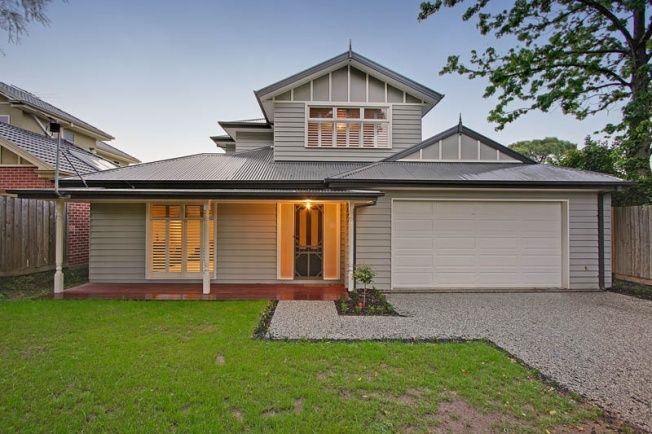
Expert office painters in St Kilda opine that traditional weatherboard cladding was composed of wood, but in recent years, contemporary, less expensive, and more effective alternatives, such as PVCu and fibre cement cladding, have gained popularity. Reconstituted hardwood (the more costly sort!) and vinyl weatherboard are the two main types of weatherboard homes available in Australia.
The Advantages of Choosing Weatherboard House
Treated wood cladding is available to assist prevent decay and insect infestation; but, to keep it effective, you'll need to reapply the treatment on a regular basis. Timber cladding is also prone to warping when the temperature changes, and will fade over time as a result of sun exposure.
Vinyl weatherboard is often referred to as "vinyl cladding." Weatherboard is typically regarded "quite durable," but not as strong as bricks, and is susceptible to a number of difficulties that must be taken into account when purchasing a weatherboard home. It's possible that your total maintenance expenditures will be greater than if you lived in a brick house.
- Movement on the Ground
When comparing a weatherboard home to a brick home, one obvious advantage is that weatherboard homes are more resistant to ground movement and soil shrinkage. Weatherboard buildings are more able to shift during lengthy dry periods when the earth dries and moves, while brick structures break.
- Renovations
If your objective is to restore the worst home on the greatest street, you may be shocked to learn that weatherboard houses are less expensive to update and maintain than brick—saving you thousands of dollars in the long run! Weatherboard homes are also an excellent choice for DIY renovators on a budget.
To sum up, it may come as a surprise to hear that brick is not the most climate-friendly material. During the day, bricks absorb the heat from the sun. Once the sun sets, this heat seeps inside the home. Weatherboards, on the other hand, cool much faster.


No comments:
Post a Comment